Light: Full sun to full shade
Soil: most in full sun and less so in more shade. Rich soil is preferred
Growth: 80’ tall and wide
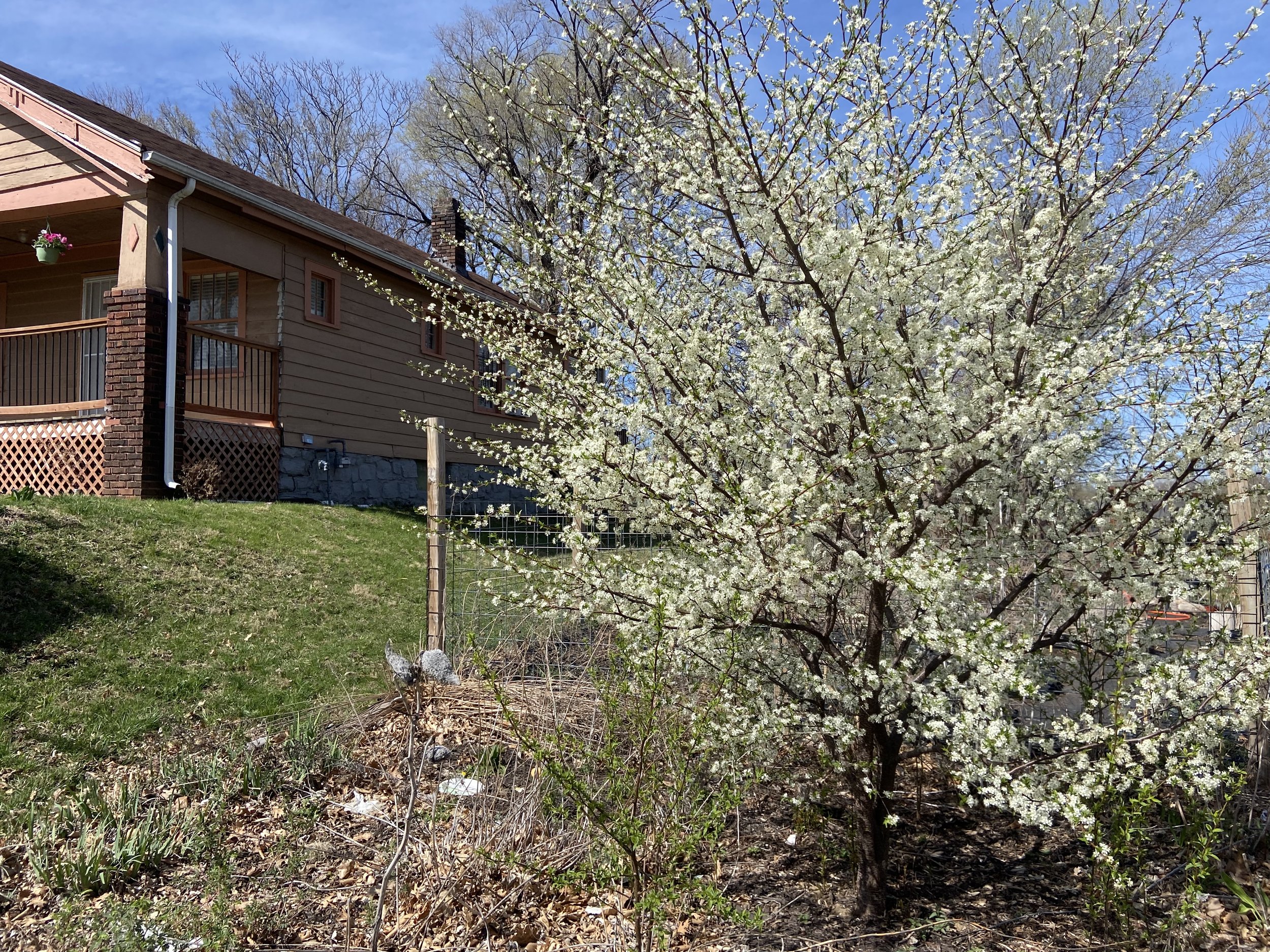
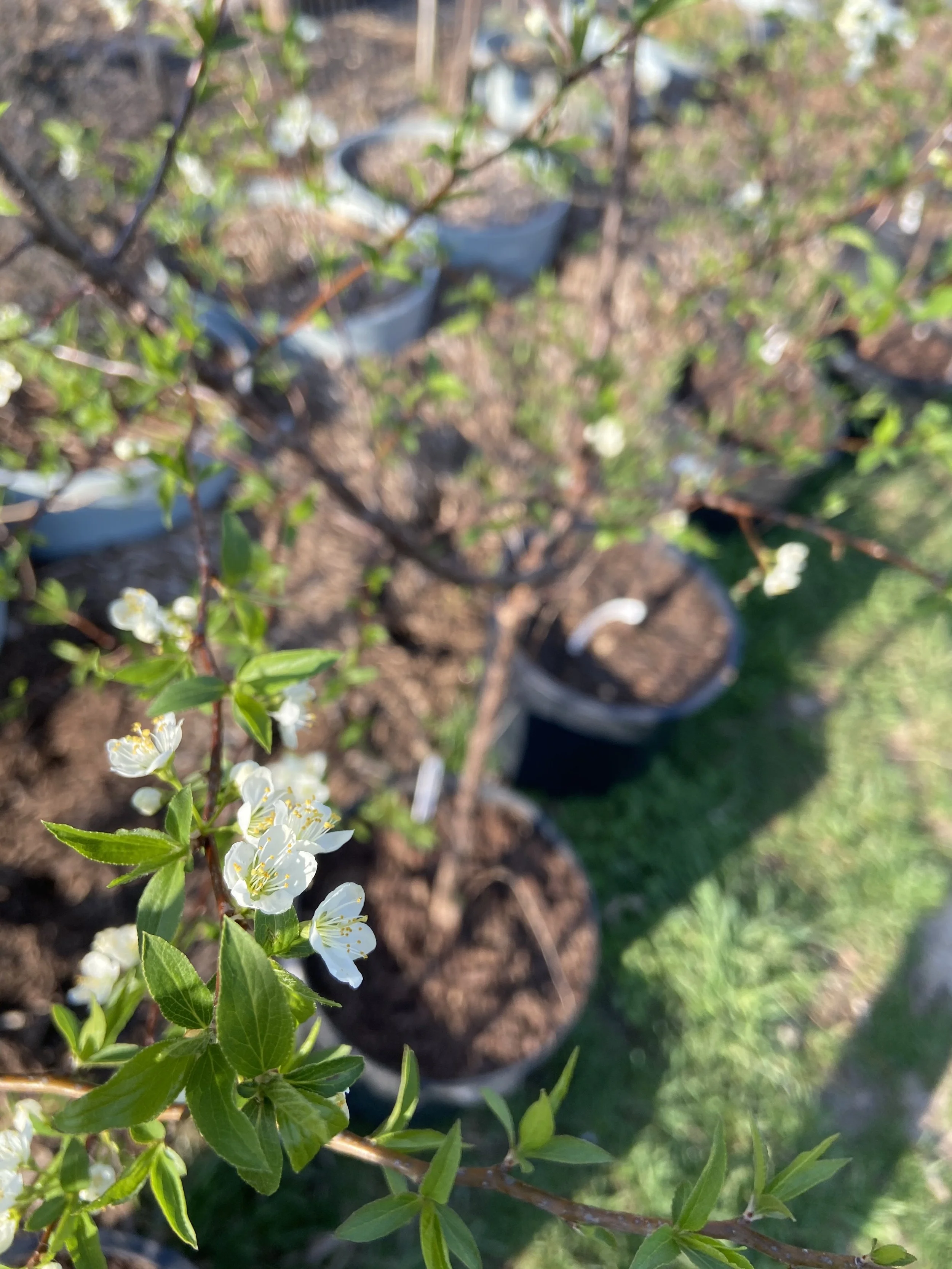
Bloom: White from April-May
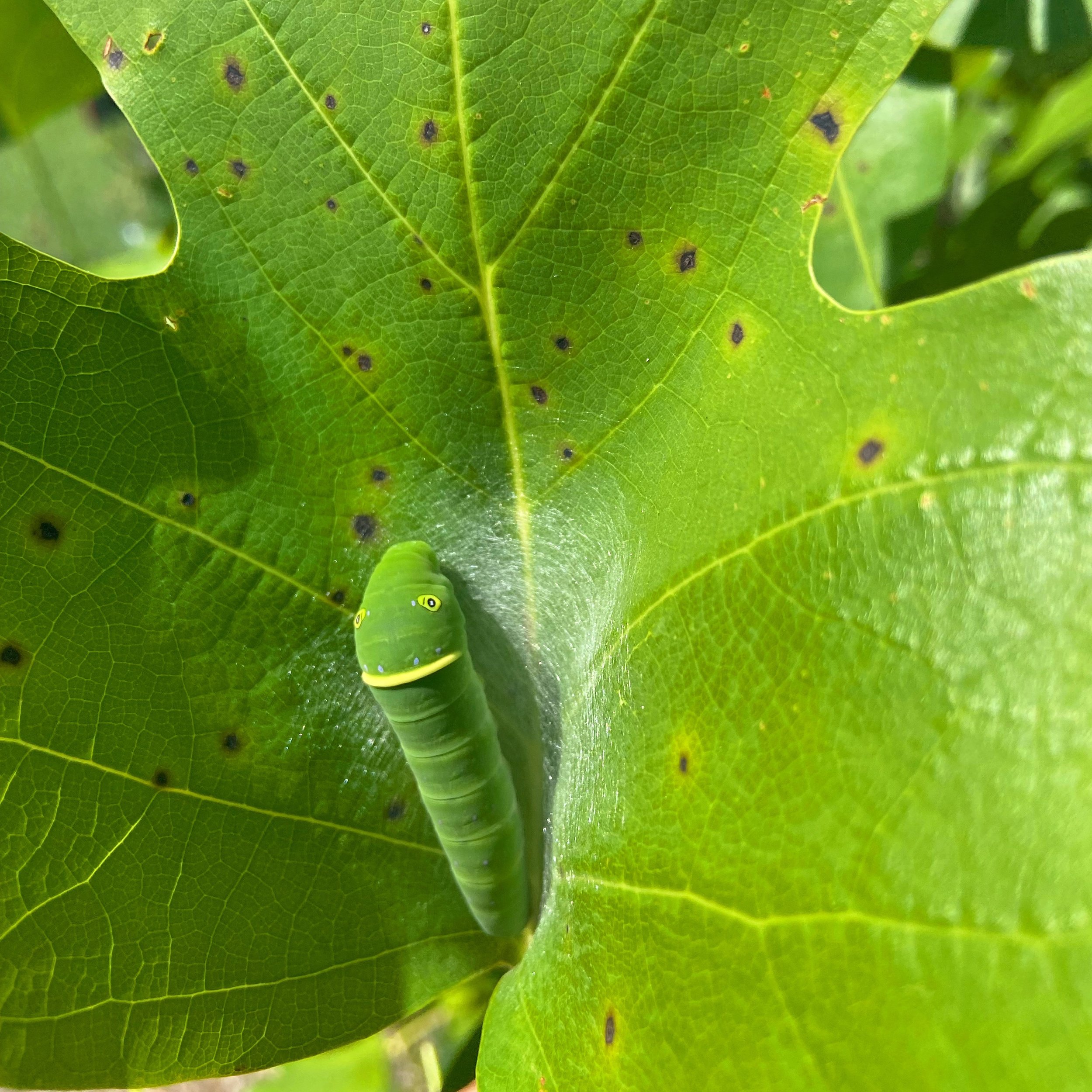
Info: Black Cherries are the host plant for over 500 species of insects. Like oak trees, they are excellent for preserving/ growing biodiversity in yards. Best planted as a shade tree with a large garden underneath the tree. This allows caterpillars and other insects to fall down from the tree to hide in leaf litter in winter, or to burrow into the ground if need be. The garden underneath the tree also provides additional food for insects and birds that are attracted to the area by the Black Cherry tree.
Best to plant a black cherry small, as it has a large taproot that makes it difficult to grow a healthy tree to a large size in a nursery setting.
Light: Full sun to full shade
Soil: most in full sun and less so in more shade. Rich soil is preferred
Growth: 80’ tall and wide
Bloom: White from April-May
Info: Black Cherries are the host plant for over 500 species of insects. Like oak trees, they are excellent for preserving/ growing biodiversity in yards. Best planted as a shade tree with a large garden underneath the tree. This allows caterpillars and other insects to fall down from the tree to hide in leaf litter in winter, or to burrow into the ground if need be. The garden underneath the tree also provides additional food for insects and birds that are attracted to the area by the Black Cherry tree.
Best to plant a black cherry small, as it has a large taproot that makes it difficult to grow a healthy tree to a large size in a nursery setting.