Type: Perennial bulb
Native habitat: glades, open woodlands, prairies and slopes
Light: Full Sun to Part Shade
Soil: Medium to Dry
Growth: 1-1.5’high .5-1’ wide
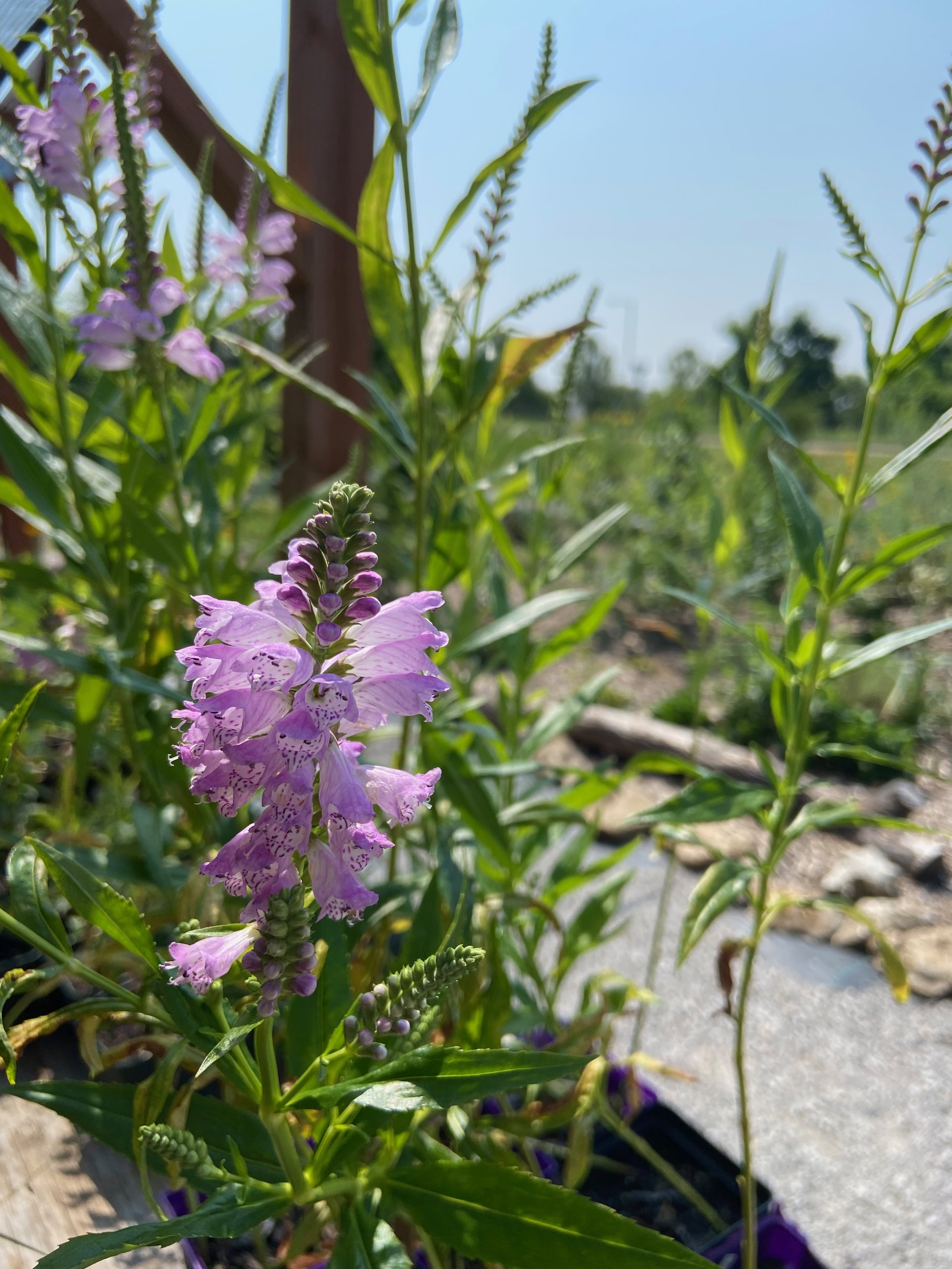
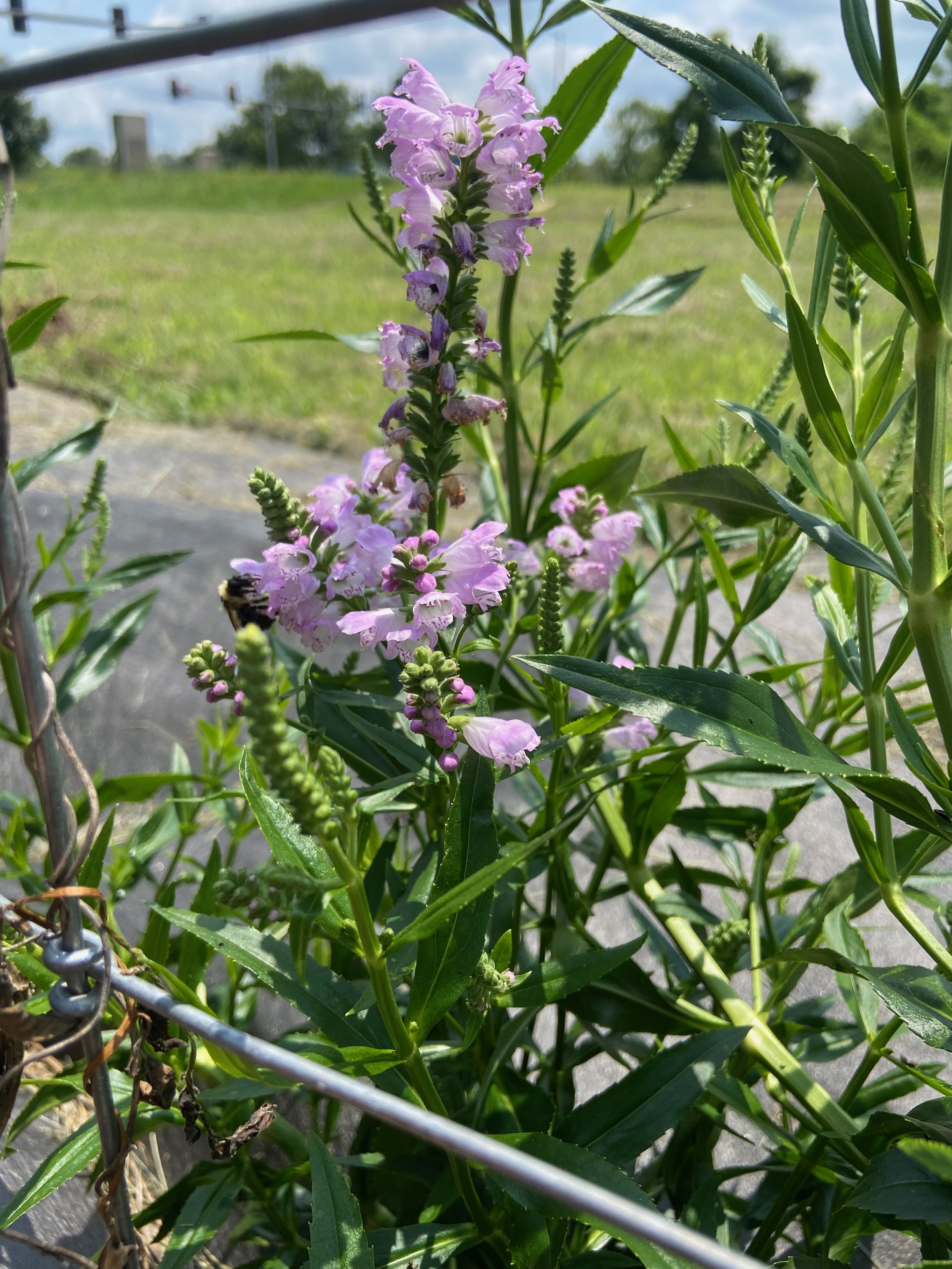
Bloom: reddish pink blooms in July-September
Spread: seed and bulbet
Benefits: Bees, flies, beetles, hummingbirds, edible, drought resistant, deer resistant,
Info: This edible native perennial can be found in rocky soil in the Ozark region. Commonly eaten by the Native Americans and early pioneers, it was used in soups or just eaten raw. This showy plant is very drought and deer tolerant and makes a great addition to any native or cottage garden. Also pared well with showy wild garlic in order to get similar blooms from April-September.
Maintenance: bulbets can be divided in the fall. Plant can be left to reseed so new onions can form a green mulch layer in the garden. If spread is unwanted, deadhead flowers before they go to seed.
Type: Perennial bulb
Native habitat: glades, open woodlands, prairies and slopes
Light: Full Sun to Part Shade
Soil: Medium to Dry
Growth: 1-1.5’high .5-1’ wide
Bloom: reddish pink blooms in July-September
Spread: seed and bulbet
Benefits: Bees, flies, beetles, hummingbirds, edible, drought resistant, deer resistant,
Info: This edible native perennial can be found in rocky soil in the Ozark region. Commonly eaten by the Native Americans and early pioneers, it was used in soups or just eaten raw. This showy plant is very drought and deer tolerant and makes a great addition to any native or cottage garden. Also pared well with showy wild garlic in order to get similar blooms from April-September.
Maintenance: bulbets can be divided in the fall. Plant can be left to reseed so new onions can form a green mulch layer in the garden. If spread is unwanted, deadhead flowers before they go to seed.